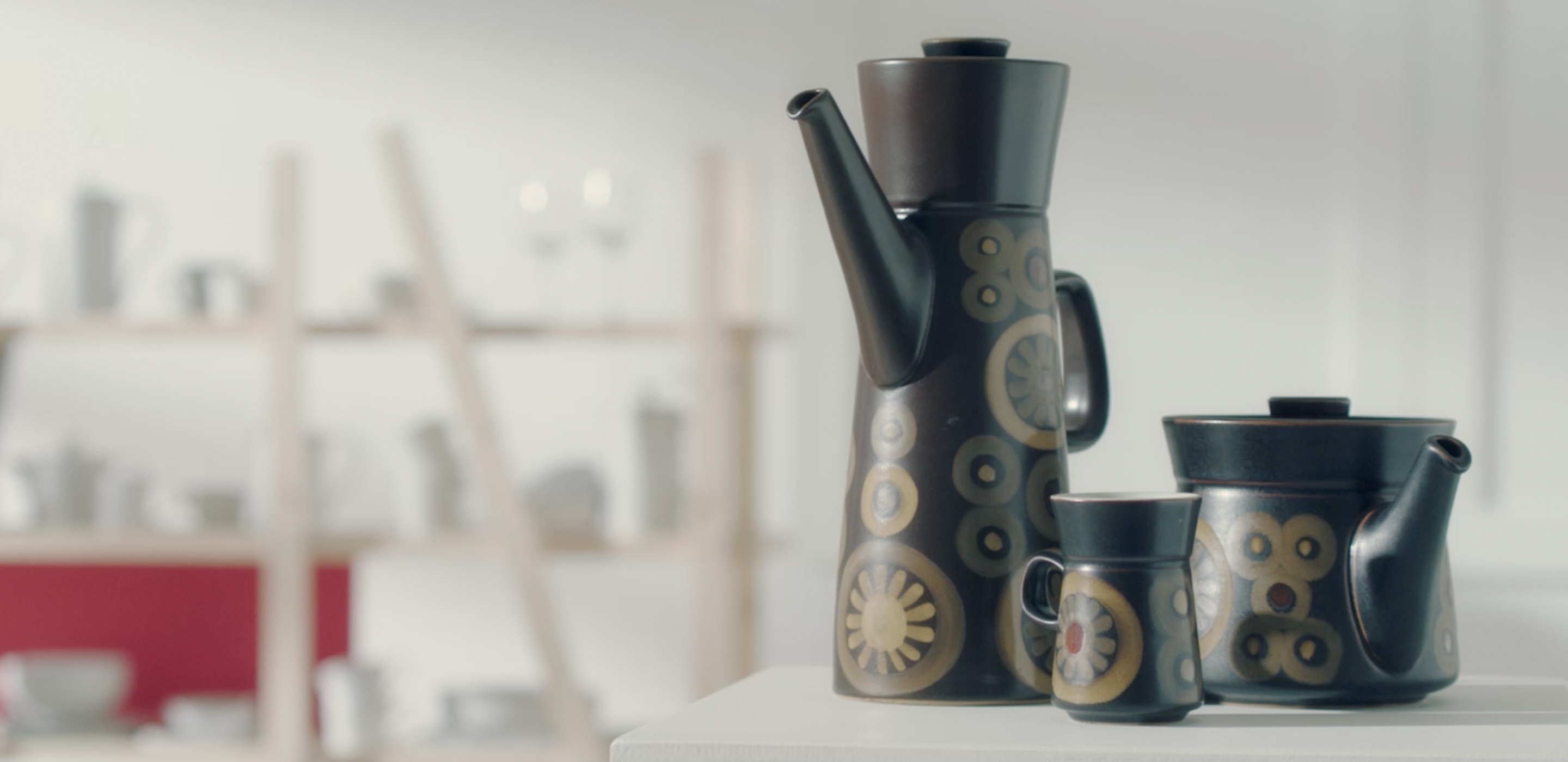
The history of Denby pottery
2026-07-05
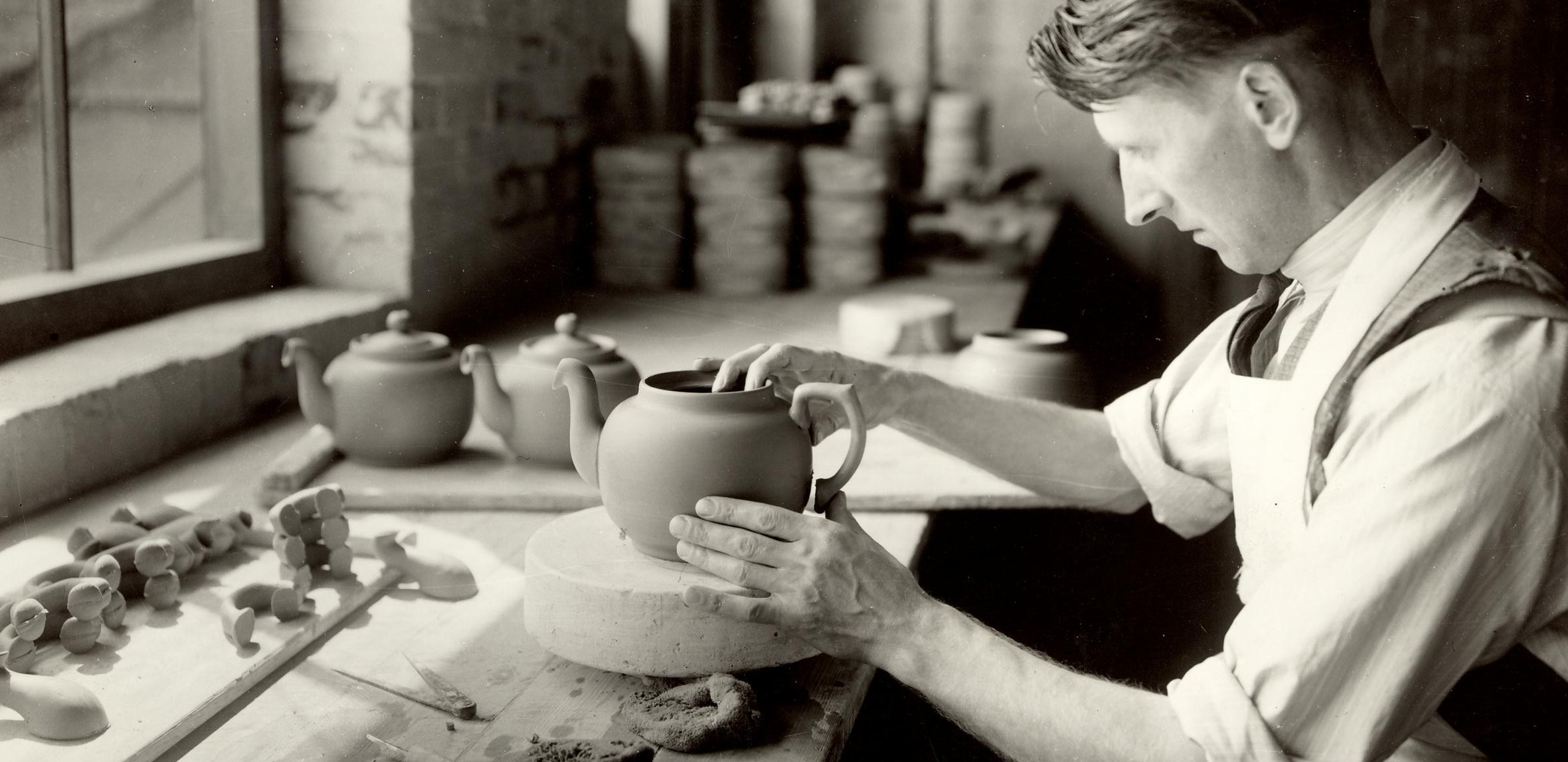
The history of
Denby Pottery.
Read more about the history of our Derbyshire pottery, watch archive footage from the 1940s and 1960s, and view our collections across the decades of Denby.Still on the same site where the pottery was founded, our rich heritage can be seen in the fabric of the building and the beguiling knowledge that generations of craftspeople have been making pottery here since 1809. Nestled next door to the seam of clay which our founder discovered, many traditional hand-crafting techniques have been preserved and are still used in our factory today.
The Denby Pottery Timeline
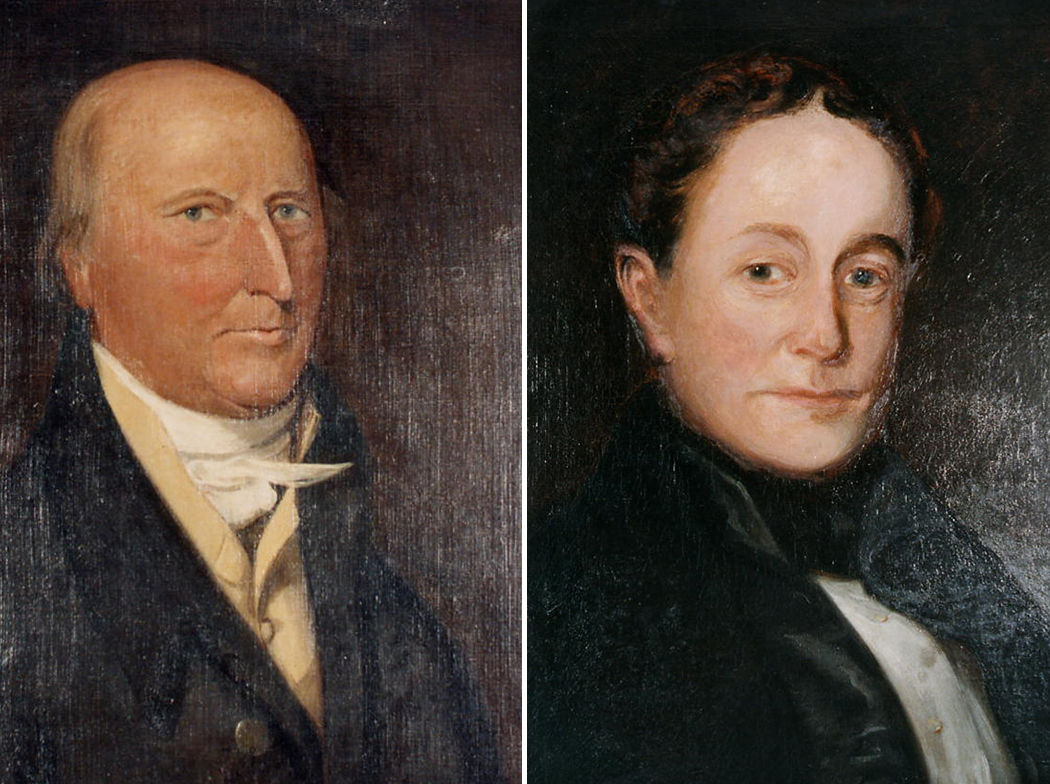
1809 – 1860
Denby pottery began in 1809 when William Bourne discovered fine clay in Derbyshire. His son Joseph established a successful pottery business, innovating with salt-glazed bottles. Denby became a leading UK producer, exporting globally by the 1830s. Joseph's craftsmanship earned widespread recognition before his death in 1860.
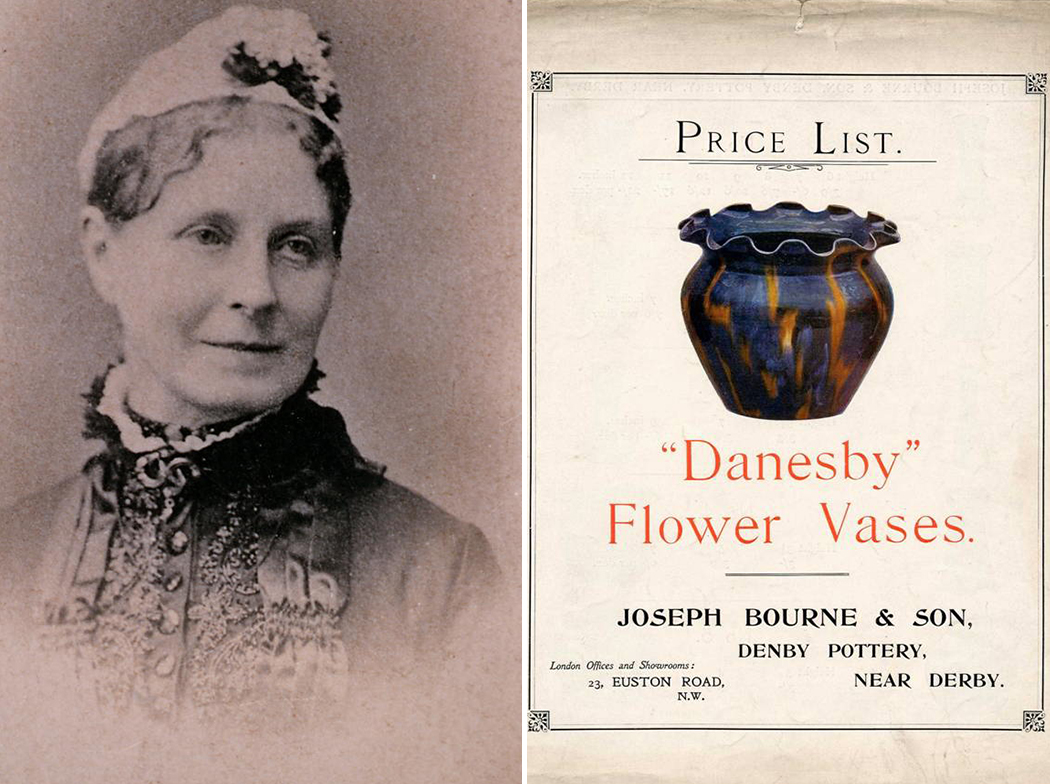
1860 – 1915
From 1860–1915, Denby Pottery expanded under Joseph Harvey Bourne, producing diverse domestic and industrial ware. After his death, his widow Sarah Elizabeth led for 30 years, overseeing innovations like Majolica ware and coloured glazes. A strong leader, she managed a 400-strong workforce and preserved Denby's legacy without an heir.
1900 – 1920s
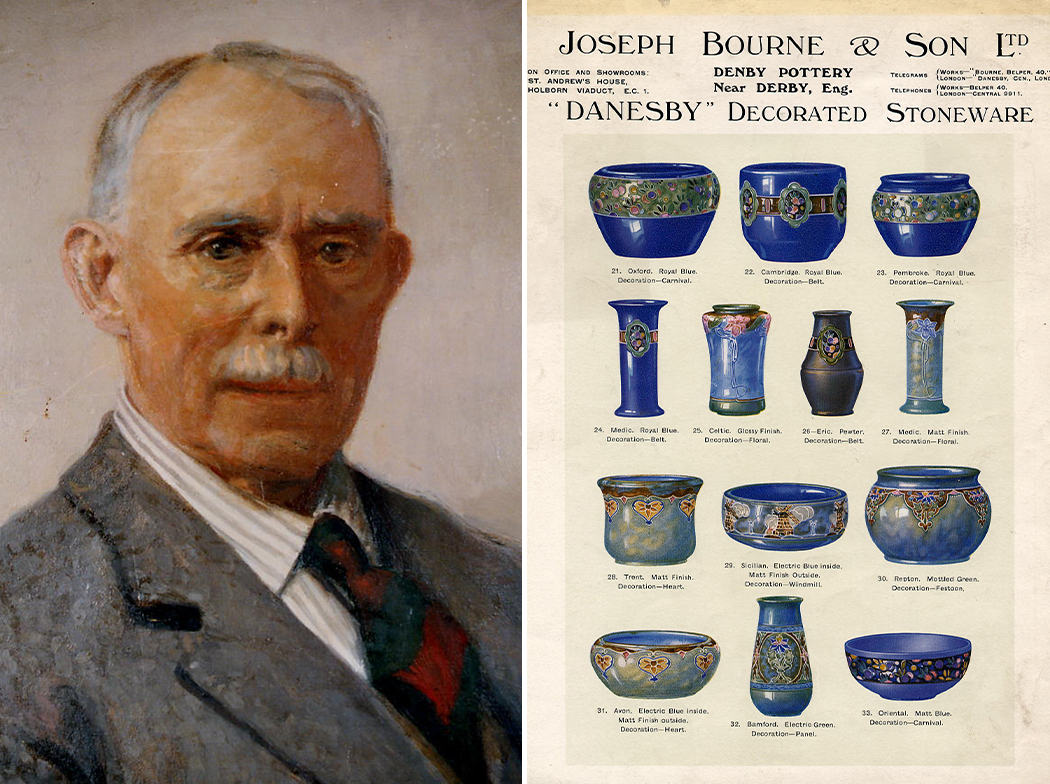
From 1900–1920s, Joseph Bourne Wheeler modernised Denby Pottery by expanding coloured glaze collections and ceasing salt-glazing. Working conditions improved with gaslight and mechanised clay extraction. Denby celebrated its 1909 centenary and became a Limited Company in 1916. Despite WWI losses, Denby thrived, known for British fireproof and tube-lined ware.
1920 – 1930s
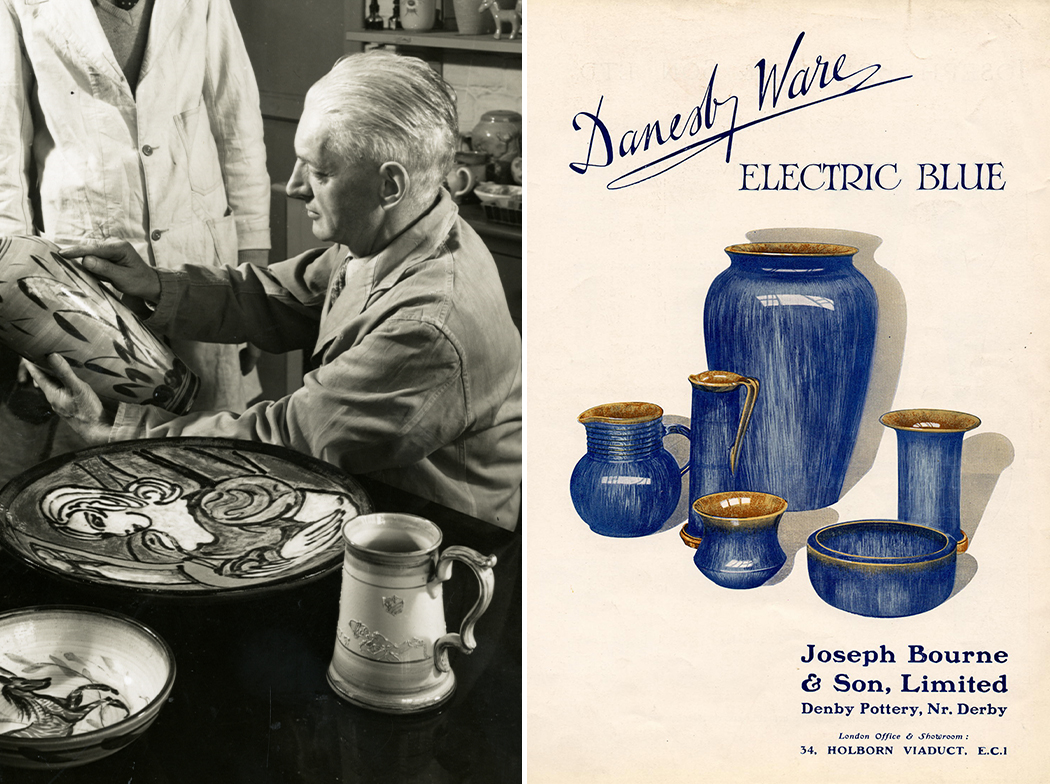
During the 1920s–30s, Denby Pottery diversified into both industrial and decorative wares. Designers like Albert College and Donald Gilbert shaped iconic styles and glazes. Denby produced telegraphic insulators and vibrant domestic pottery, including the popular Marmaduke Bunny figures, showcasing artistic innovation and adaptability to contemporary lifestyles.
1930 – 1940s
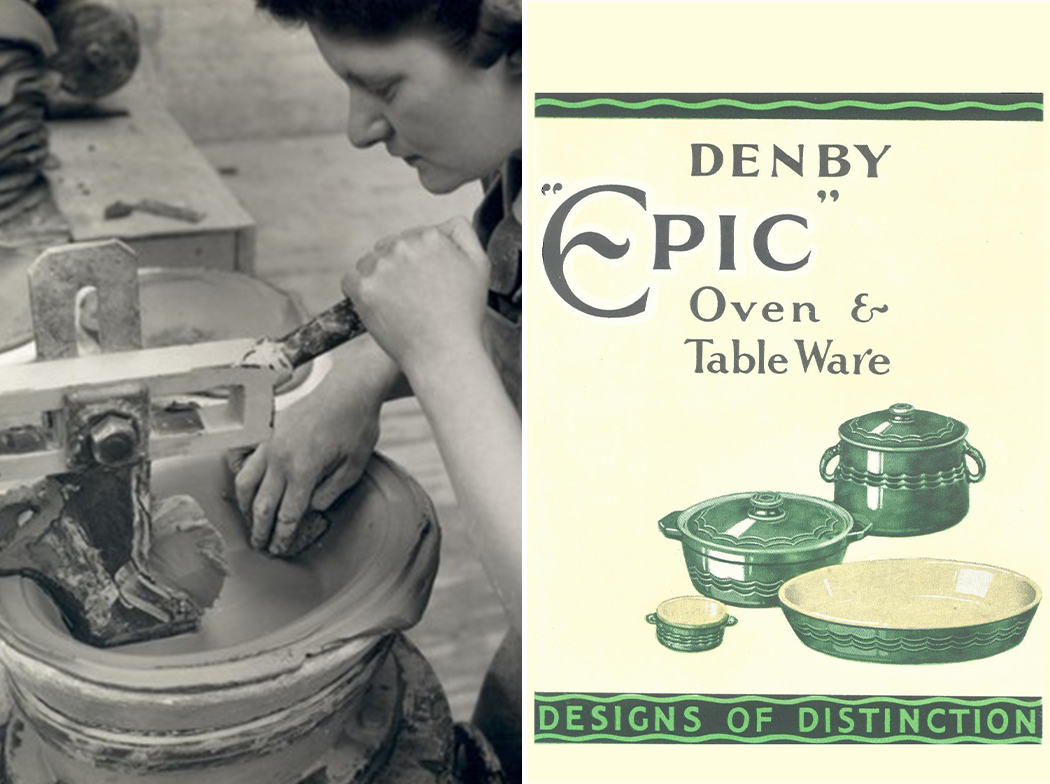
In the 1930s–40s, Denby introduced iconic ranges like Cottage Blue and Epic ware by designer Donald Gilbert. Alice Teichtner brought bold, abstract styles. During WWII, women sustained production, creating utility items for the war effort. Denby adapted operations, streamlining processes and contributing practical wares for military and domestic needs.
1948 – 1960s
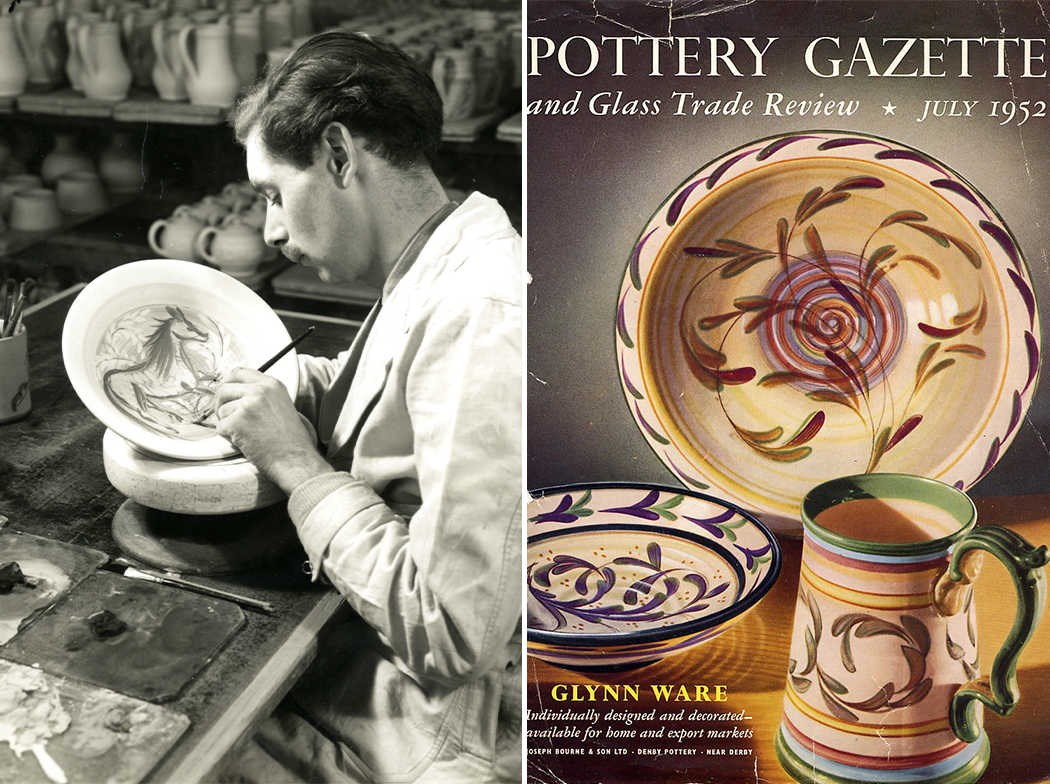
Between 1948 and the 1960s, Denby Pottery saw vibrant innovation under Glyn Colledge and later collaborations like Tibor Reich's abstract 'Tigo' ware. The Bourne family era ended, leading to fresh designs and expanded tableware ranges like 'Greenwheat', marking a transition from austerity to expressive, colourful ceramics in post-war Britain.
1960 – 1970s
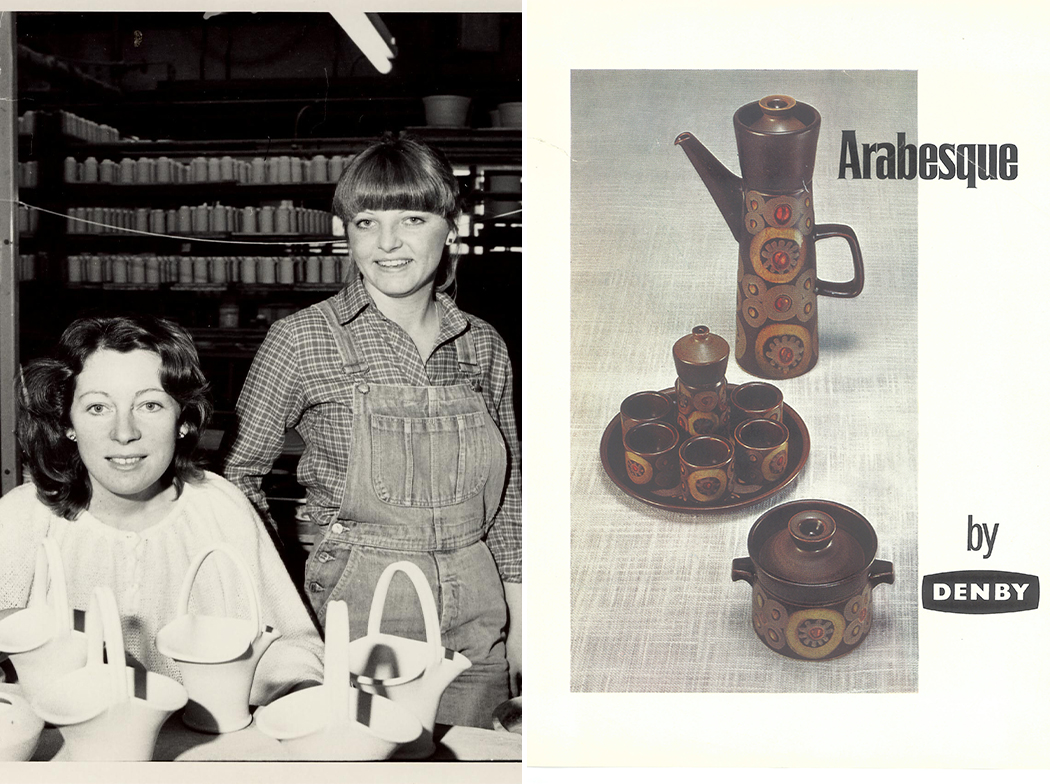
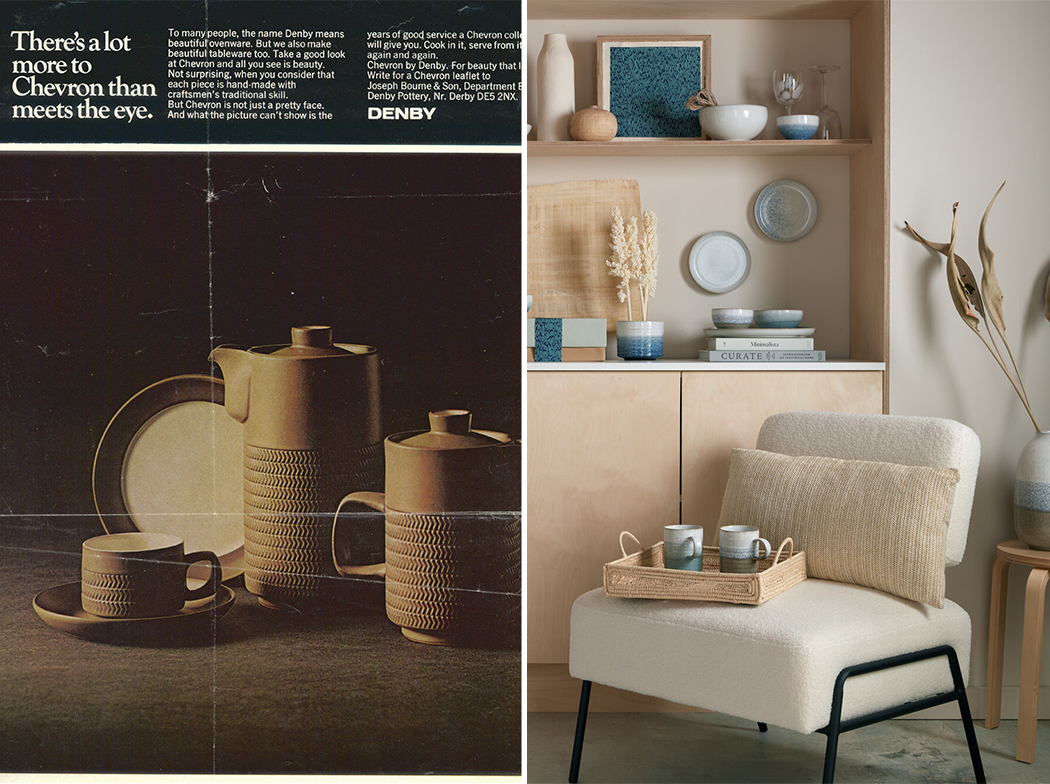
During the 1960s–70s, Denby led the oven-to-tableware revolution and expanded internationally, acquiring its USA distributor in 1970. Iconic designs like 'Chevron' and 'Arabesque' emerged. Glyn Colledge introduced 'Studio', 'Ode', and 'Glynbourne'. Antique reproductions were created for America, and Denby's unique clay and glazes defined its globally recognized style.
1970 – TODAY
Since 1970, Denby has focused on durable, stylish tableware. Late 20th-century favorites include Romany, Gypsy, and Imperial Blue. The 1989 launch of Imperial Blue and enduring ranges like Greenwich reflect timeless appeal. Recent designs like Halo and the Kiln collections uphold Denby's legacy of craftsmanship, beauty, everyday practicality and feel-good ceramics.
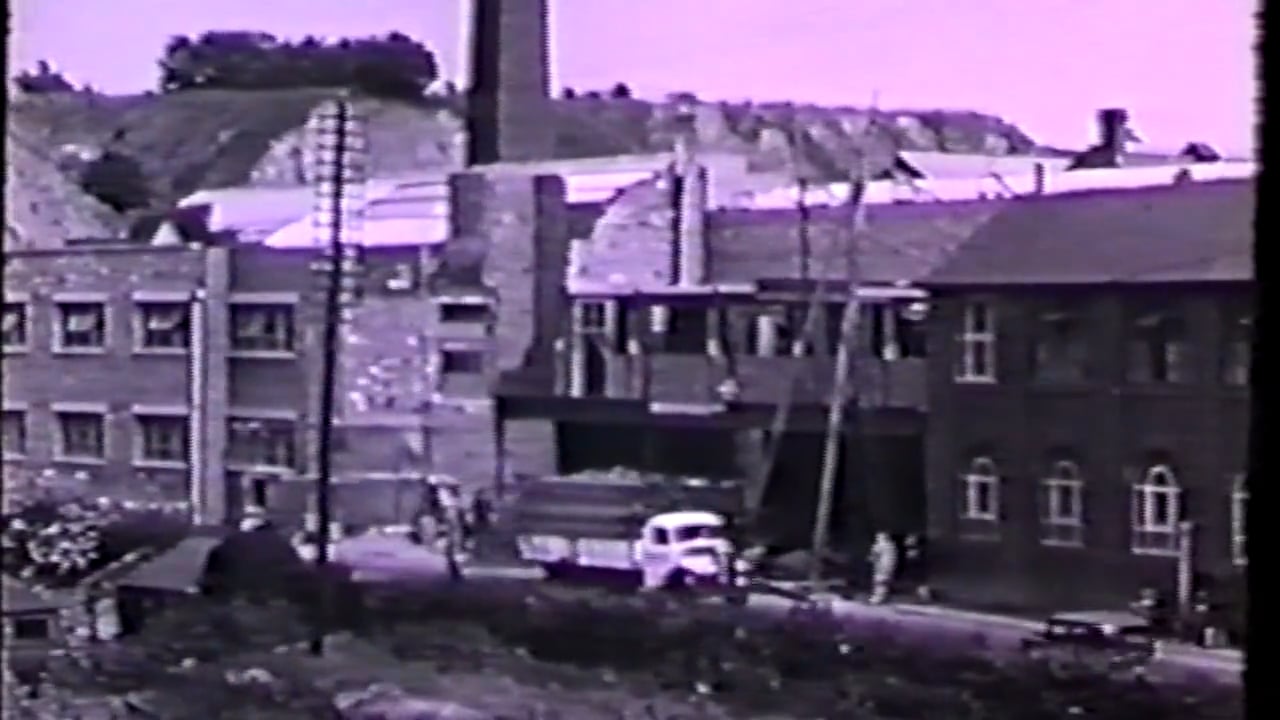
Archive footage from 1948
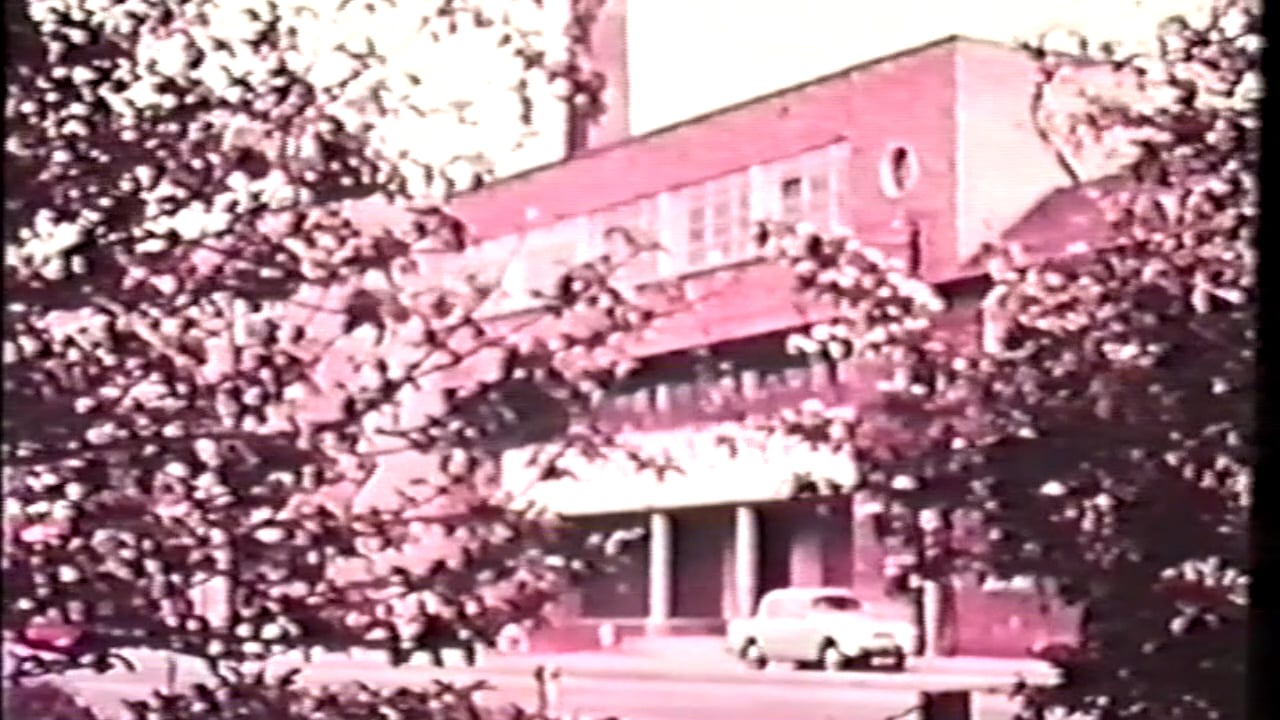
Archive footage from 1960